


-2-2.webp)
.webp)


Sequoia Pitch Deck Breakdown: The Template Investors Respect
A practical analysis of the Sequoia pitch deck structure and why it works for venture capital fundraising.
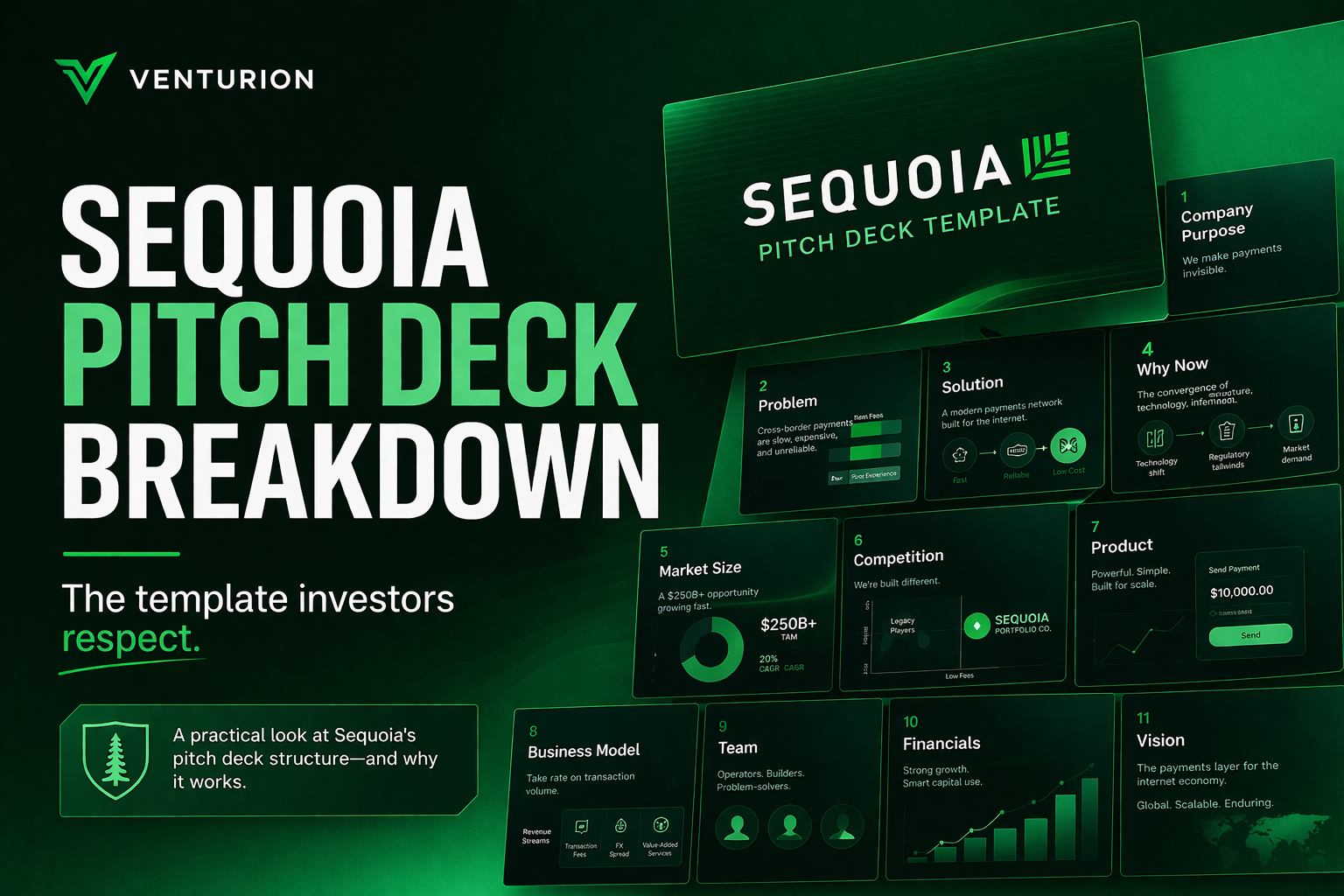
The Sequoia pitch deck template is one of the most widely used frameworks for startup fundraising. Many founders follow the Sequoia pitch deck structure because it aligns with venture capital expectations and investor decision-making.
Unlike overly complex presentations, the Sequoia pitch deck focuses on clarity, scalability, and investment logic. This makes it effective for startups preparing investor pitch decks and fundraising presentations.

The Sequoia pitch deck begins with company purpose. This slide explains what the startup does and why it exists.
Investors want:
A strong company purpose sets the tone for the investor pitch deck.
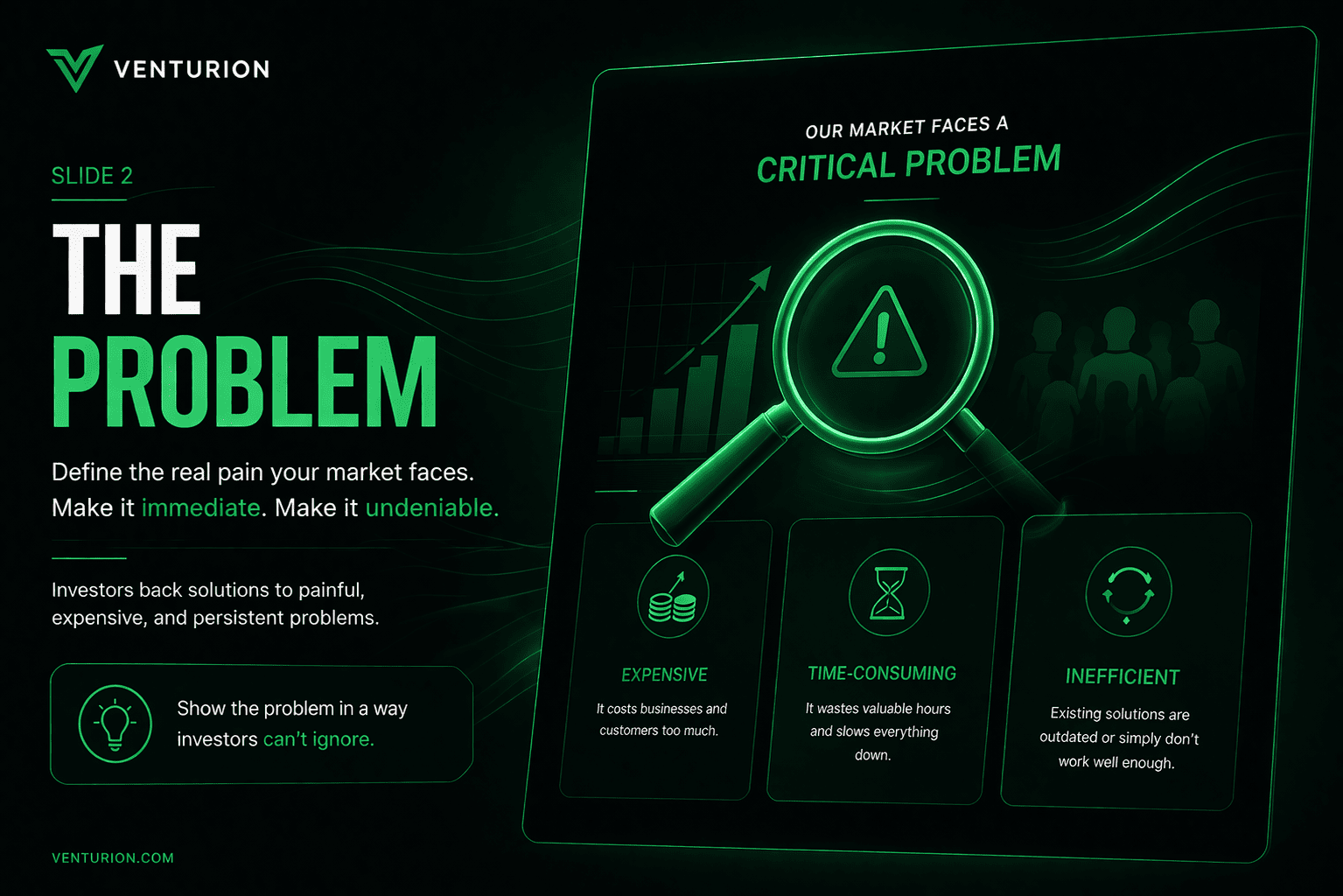
The problem slide defines the pain point the startup is solving. Investors need to understand the opportunity quickly.
Strong problem slides:
Clear problem framing improves investor comprehension.
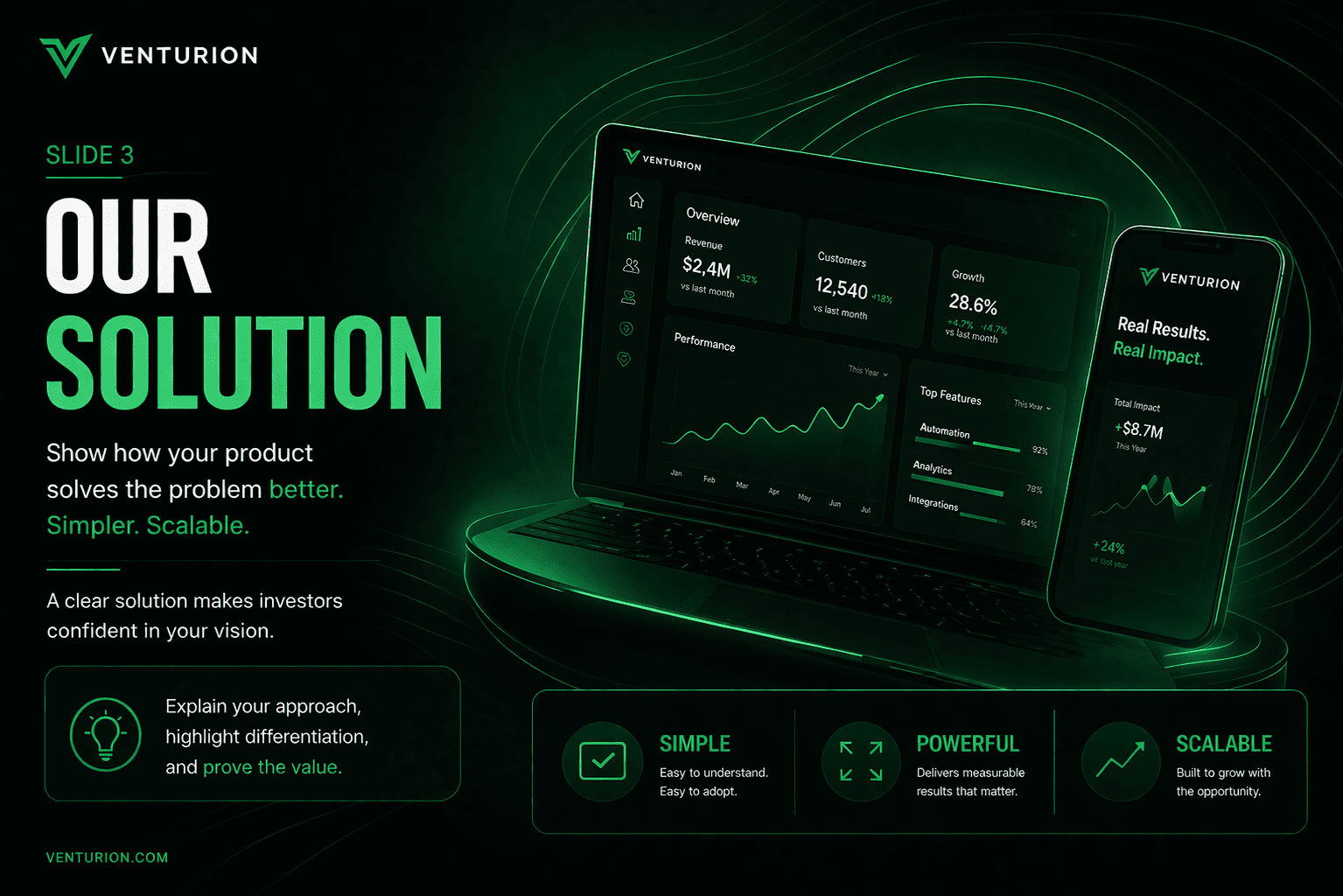
The solution slide explains how the startup solves the problem. It should be concise and easy to understand.
The Sequoia pitch deck emphasizes:
Investors should immediately see value.
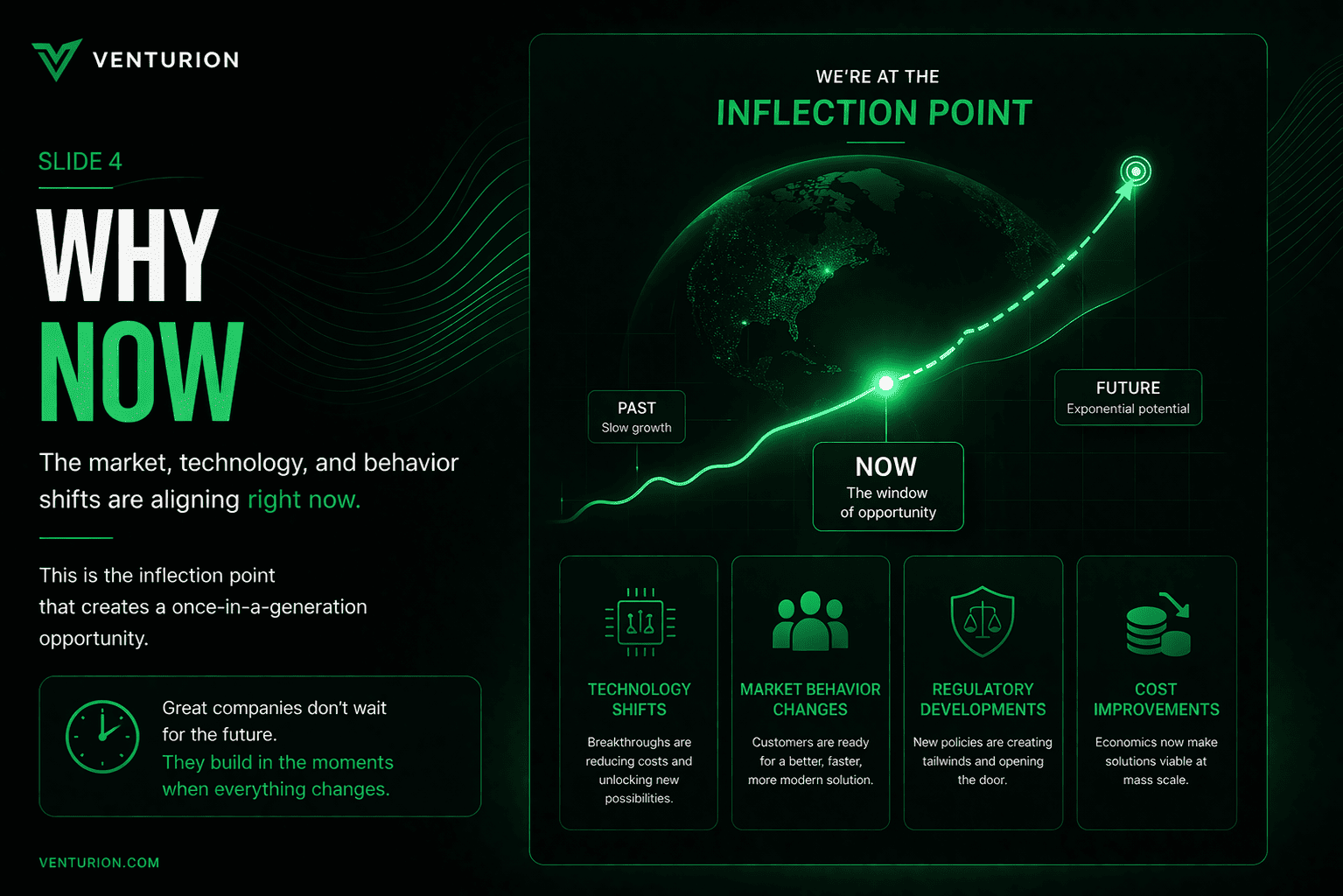
The “Why Now” slide is one of the most important parts of the Sequoia pitch deck. It explains why the opportunity exists today.
Common examples:
This slide shows why the startup can win now.

Market size is critical in any investor pitch deck. Venture capital investors are looking for large, scalable opportunities.
Founders typically show:
This demonstrates venture-scale potential.
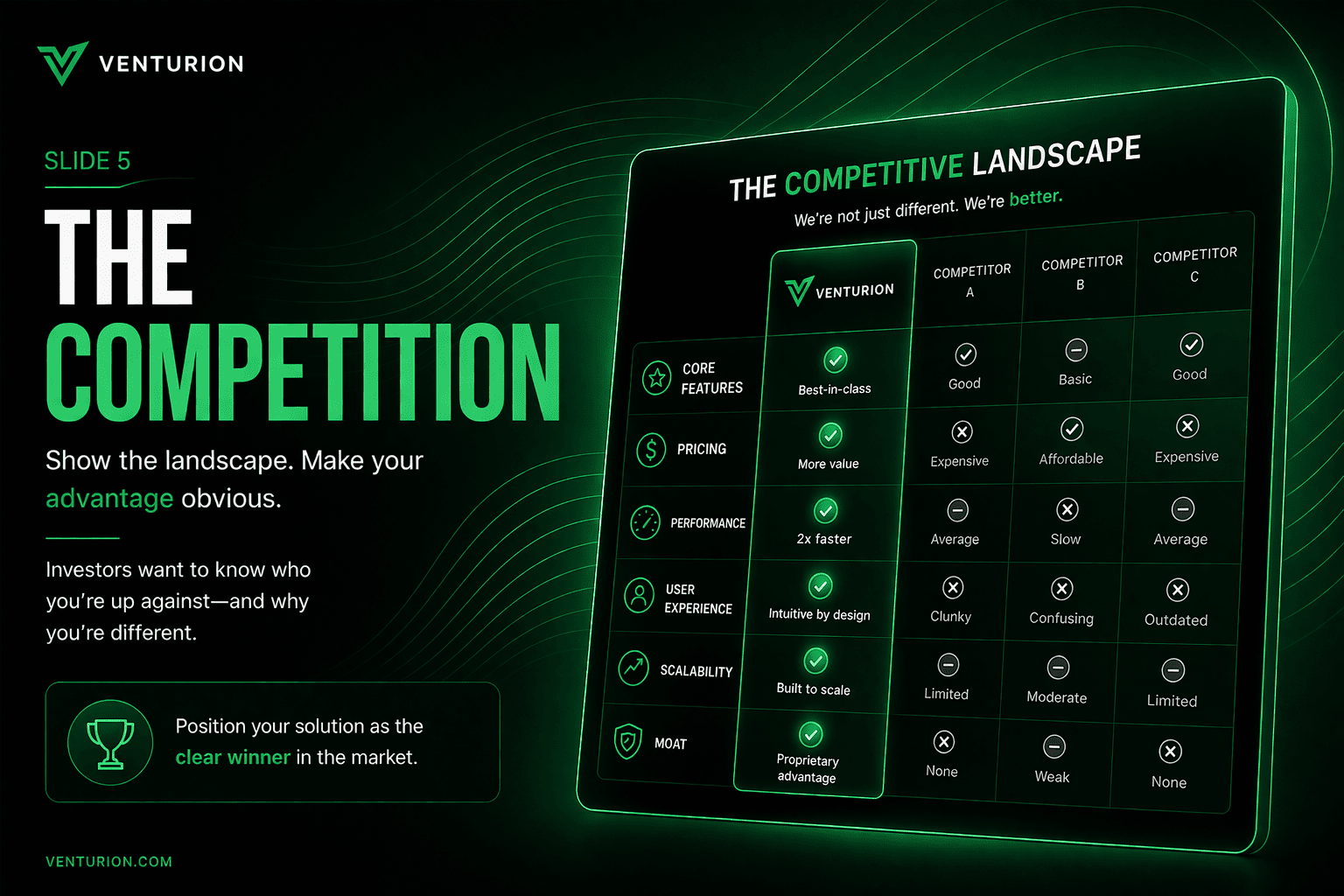
The competition slide positions the startup within the market. Investors evaluate differentiation and defensibility.
This includes:
Clear differentiation strengthens the investment case.

The product slide shows how the solution works. It should be visual and concise.
The Sequoia pitch deck encourages:
This helps investors understand quickly.
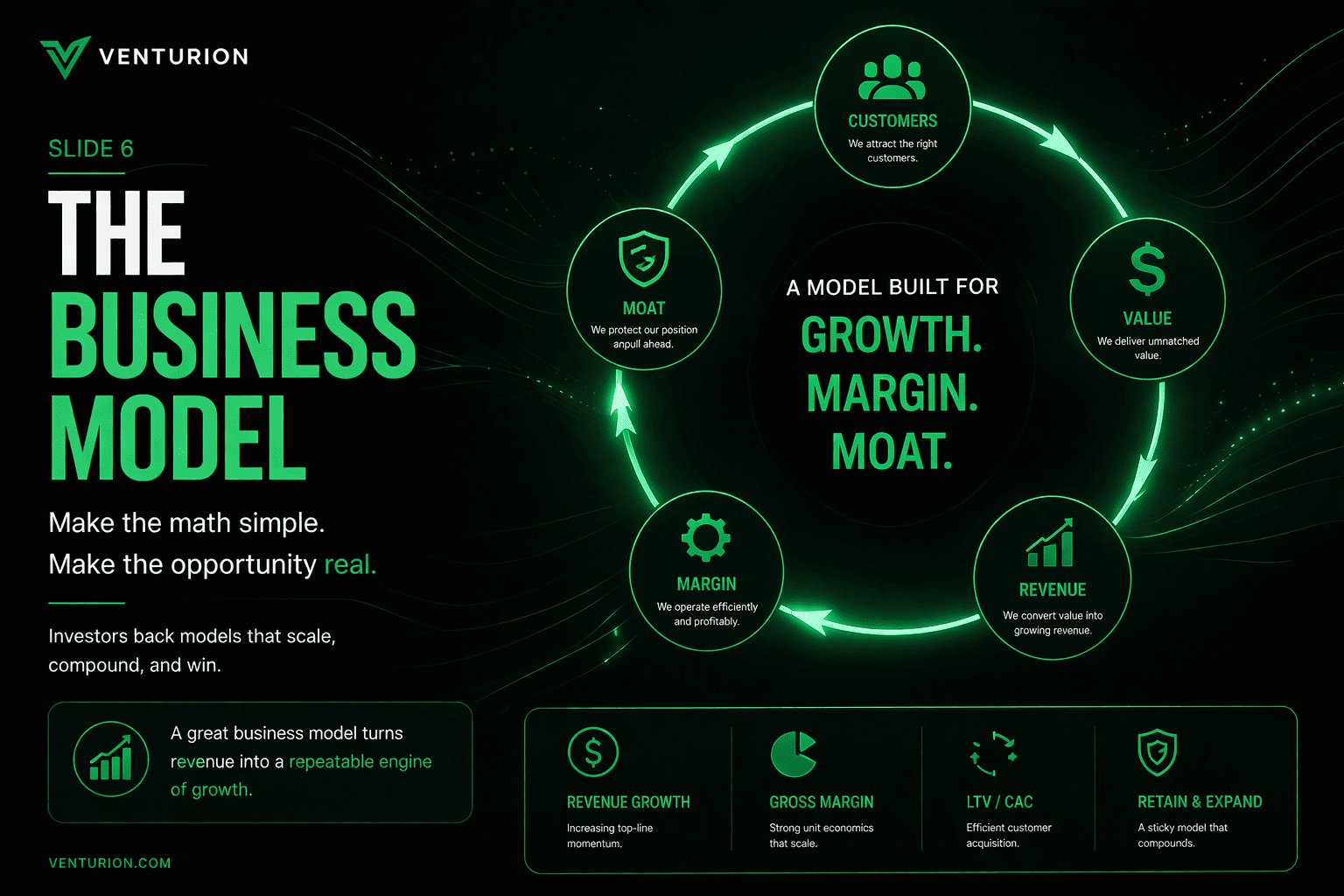
The business model explains how the company generates revenue. Investors need clarity around monetization.
Important elements include:
Clear monetization builds investor confidence.

The team slide highlights founders and key experience. Investors evaluate execution capability.
Focus on:
Strong teams increase investor confidence.

Financial projections show growth potential and capital efficiency. The Sequoia pitch deck keeps this concise.
Investors look for:
These metrics support investment logic.
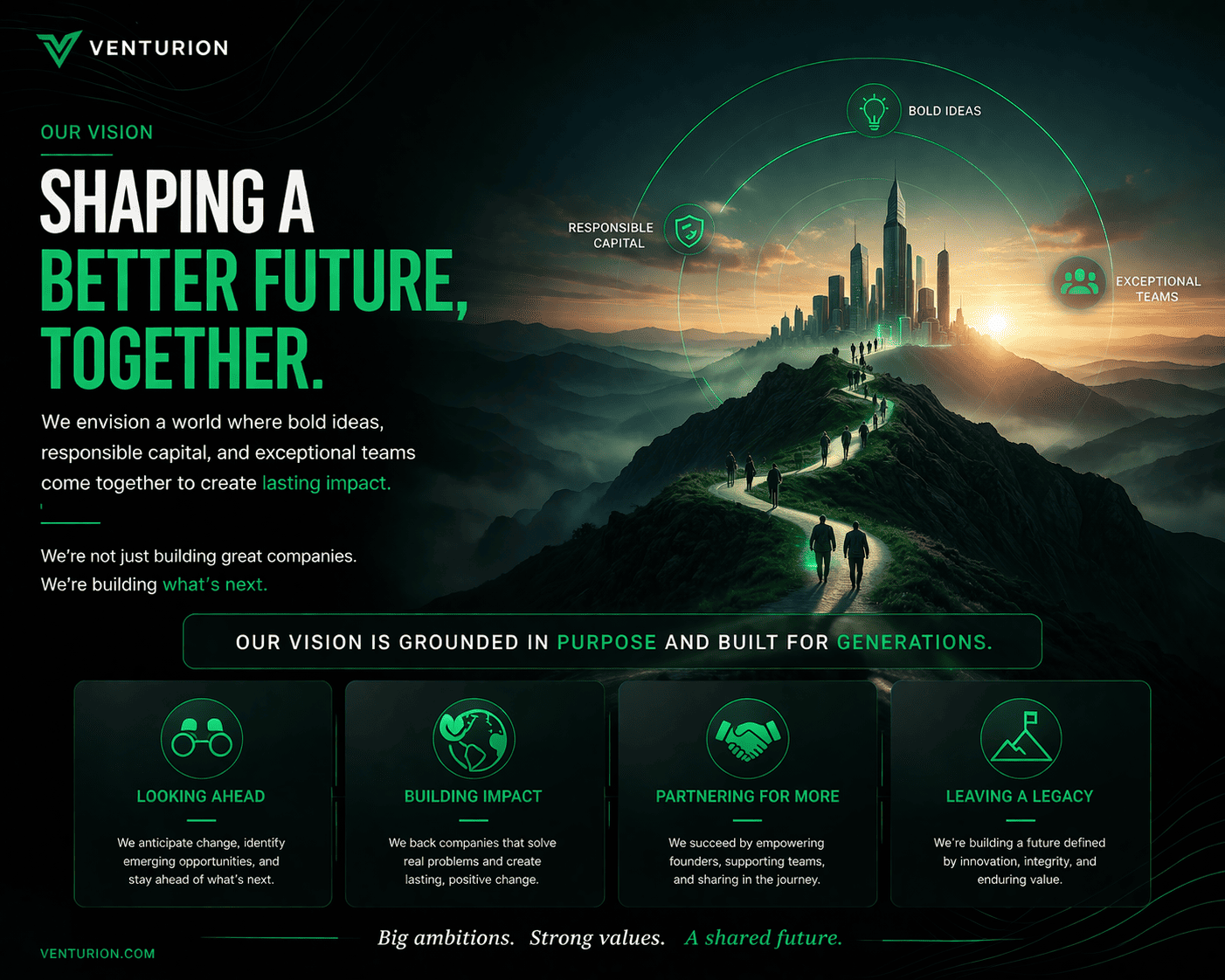
The vision slide explains long-term potential. Venture capital investors want to see the scale of the opportunity.
This includes:
Vision reinforces investor conviction.
The Sequoia pitch deck works because it is structured around investor decision-making. Each slide builds logically toward investment conviction.
The framework emphasizes:
This reduces friction in fundraising conversations.
Clarity drives investor interest.
The Sequoia pitch deck template remains one of the most respected frameworks for startup fundraising. Its focus on clarity, structure, and scalability aligns with venture capital expectations.
Founders who follow this approach improve their chances of securing investor meetings and raising capital.
Looking to build an investor-grade pitch deck? Explore our Pitch Deck Design Service to create a presentation structured for venture capital conversations.

Featured
A practical analysis of the Sequoia pitch deck structure and why it works for venture capital fundraising.



Featured
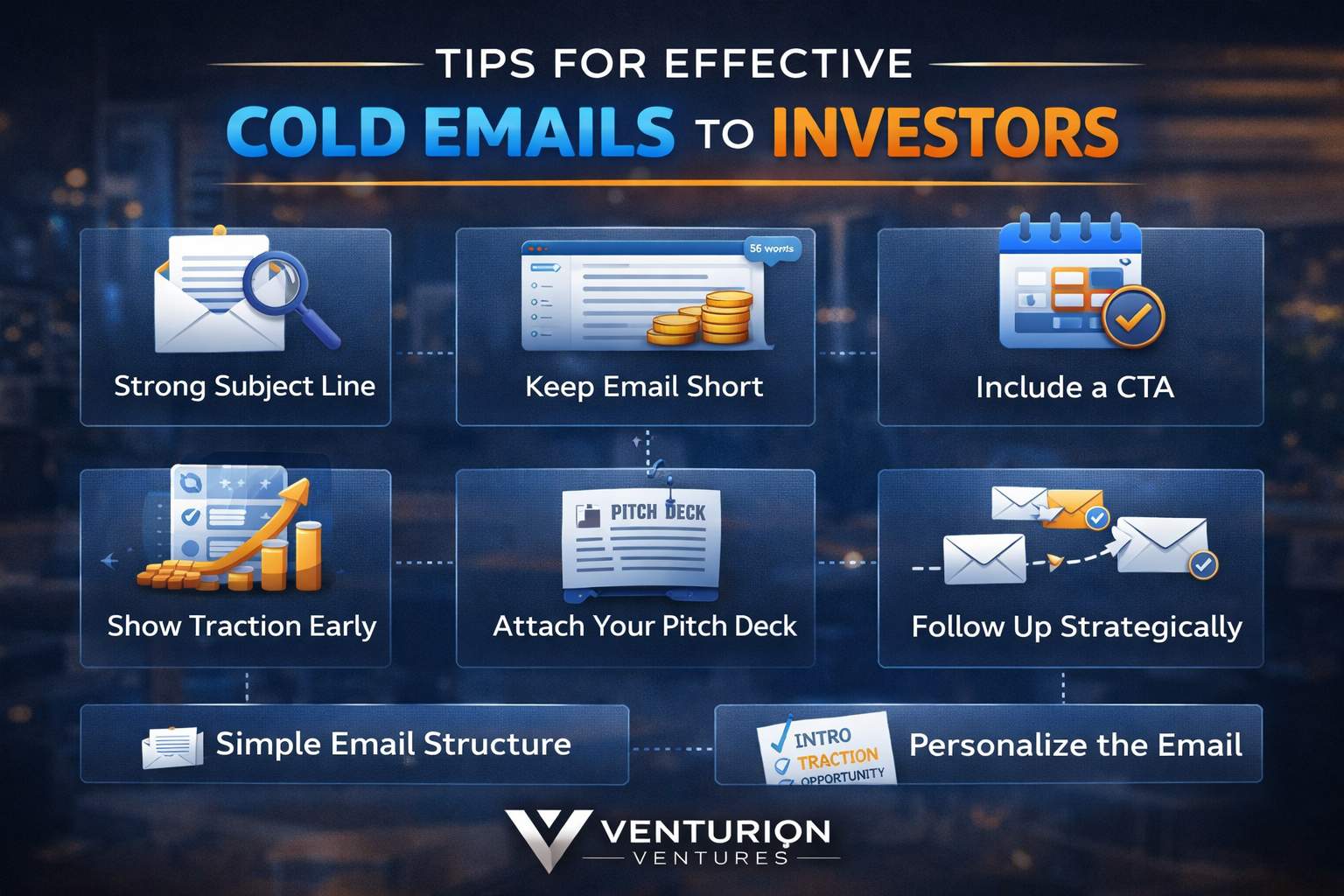
Cold emailing investors can work, but only when done correctly. Here’s how founders can stand out and get responses.


Featured
A practical guide explaining how startups can generate investor interest through clear positioning, strong pitch decks, market opportunity, and early traction.
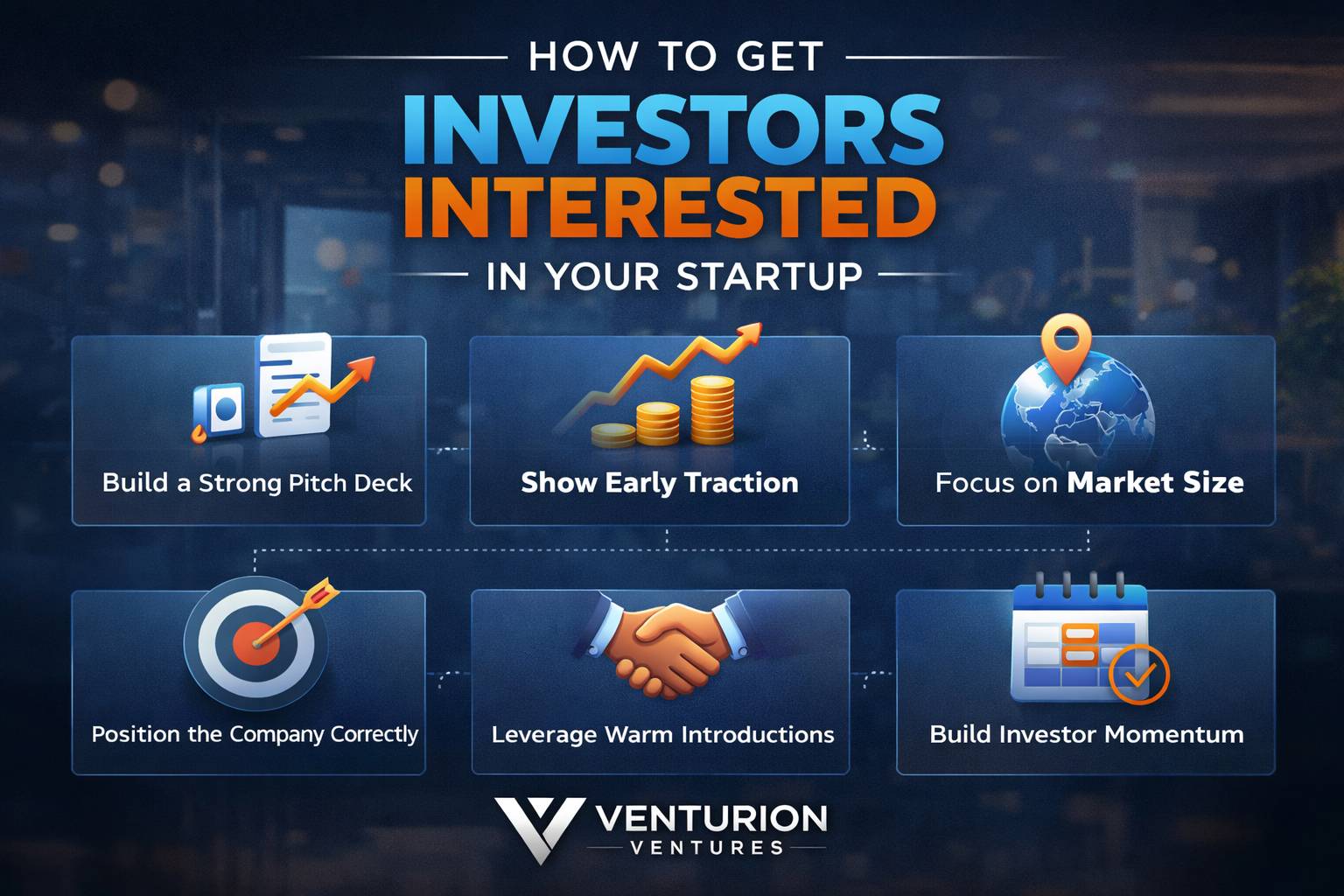

Featured
Not all pitch deck services are the same. Here’s how founders can evaluate providers and choose the right partner for fundraising.

This process can be tough. But don’t worry, we’ve written a little something to help guide you through it. Learn more and take advantage of a limited-time offer with 50% off.
.svg)
Discover Insider VC Secrets

.svg)


