


-2-2.webp)
.webp)


Managing Your Cap Table
This article helps startup founders understand cap table strategy — from ownership structure and dilution to tools and investor expectations.
Content:
The cap table is your startup’s financial backbone. It tells the story of ownership, incentives, and control.
Founders who manage their cap table strategically stay fundable — and retain leverage. Founders who don’t? They get diluted out of their own company.
A cap table (capitalization table) shows:
Every round of funding impacts the cap table. Every mistake compounds.
Before writing a check, VCs ask:
A messy cap table creates friction. A clean one makes you investable.
Tips for a healthy cap table:
You can’t guess. You have to model it. Especially as you plan your next raise.
You don’t want to learn about dilution the hard way. Cap tables are not static — they evolve with every round, every hire, and every board decision.
The earlier you understand how ownership moves, the more control you keep.
We help founders build smart cap tables that scale with their business — and stand up to investor scrutiny.
Because if you can’t explain your ownership story, you’re not ready to raise.

Featured
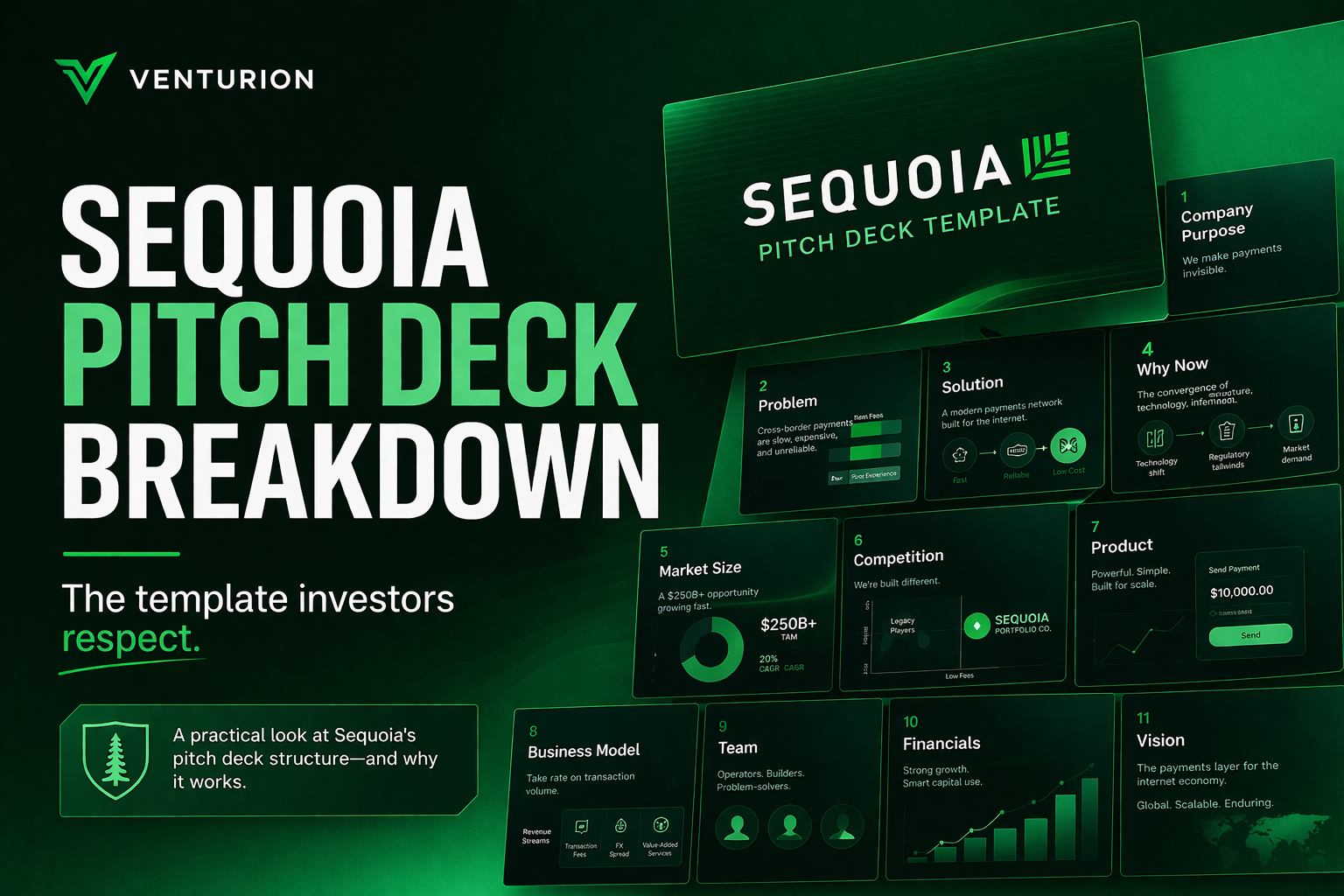
A practical analysis of the Sequoia pitch deck structure and why it works for venture capital fundraising.




Featured
Cold emailing investors can work, but only when done correctly. Here’s how founders can stand out and get responses.


Featured
A practical guide explaining how startups can generate investor interest through clear positioning, strong pitch decks, market opportunity, and early traction.


Featured
Not all pitch deck services are the same. Here’s how founders can evaluate providers and choose the right partner for fundraising.

This process can be tough. But don’t worry, we’ve written a little something to help guide you through it. Learn more and take advantage of a limited-time offer with 50% off.
.svg)
Discover Insider VC Secrets

.svg)


