Building Your Financial Model

This article walks founders through the essentials of building a financial model that supports fundraising, and what investors expect from your numbers.

Read

Building Your Financial Model

Startup Financial Model Guide for Fundraising

Content:

  • Frames financial modeling as narrative in numbers
  • Lists core components of a VC-ready model
  • Explains what VCs look for in revenue and cost logic
  • Highlights unit economics, burn rate, and runway
  • Emphasizes clean formatting, clarity, and assumptions
  • Connects financial models to funding milestones
  • Promotes Venturion’s pro forma and model-building services

A financial model isn’t just math — it’s your story in numbers.

For founders raising capital, a clear, credible model is mandatory. Investors don’t expect perfection. But they do expect logic, assumptions, and a path to scale.

A great model makes your business feel inevitable.

What a Financial Model Should Show

VCs look for models that demonstrate:

  • Revenue potential
  • Cost structure
  • Unit economics
  • Cash burn and runway
  • Funding needs and use of funds
  • Growth trajectory over 3–5 years

This isn’t just a spreadsheet. It’s how you prove your business works — and what capital can unlock.

Key Components of a Startup Model

  1. Revenue Model — How do you make money? (subscriptions, usage, etc.)
  2. Cost of Goods Sold — What does it cost to deliver your product?
  3. Operating Expenses — Headcount, marketing, tools, etc.
  4. Customer Acquisition Cost (CAC) — What does it cost to acquire a user?
  5. Lifetime Value (LTV) — What’s a customer worth over time?
  6. Runway and Burn Rate — How long can you operate with current cash?

Your model should match your stage. Early-stage = more assumptions, less precision. But the logic still has to land.

What Makes a Model Investor-Grade

  • Transparent assumptions (not black boxes)
  • Clean layout and design
  • Clearly labeled tabs and formulas
  • Scenario planning or sensitivity toggles
  • Summary metrics that tell the story fast

If your model takes 30 minutes to explain, it’s not ready. If it drives clarity in 3 minutes, you’re close.

Tell the Capital Story

A great model answers the investor’s internal monologue:

“If I write this check, where does it take them — and what’s next?”

It should connect funding to milestones — not just cover your burn.

We build investor-grade financial models that drive clarity, not confusion.
Tailored to your business model. Ready for the data room.
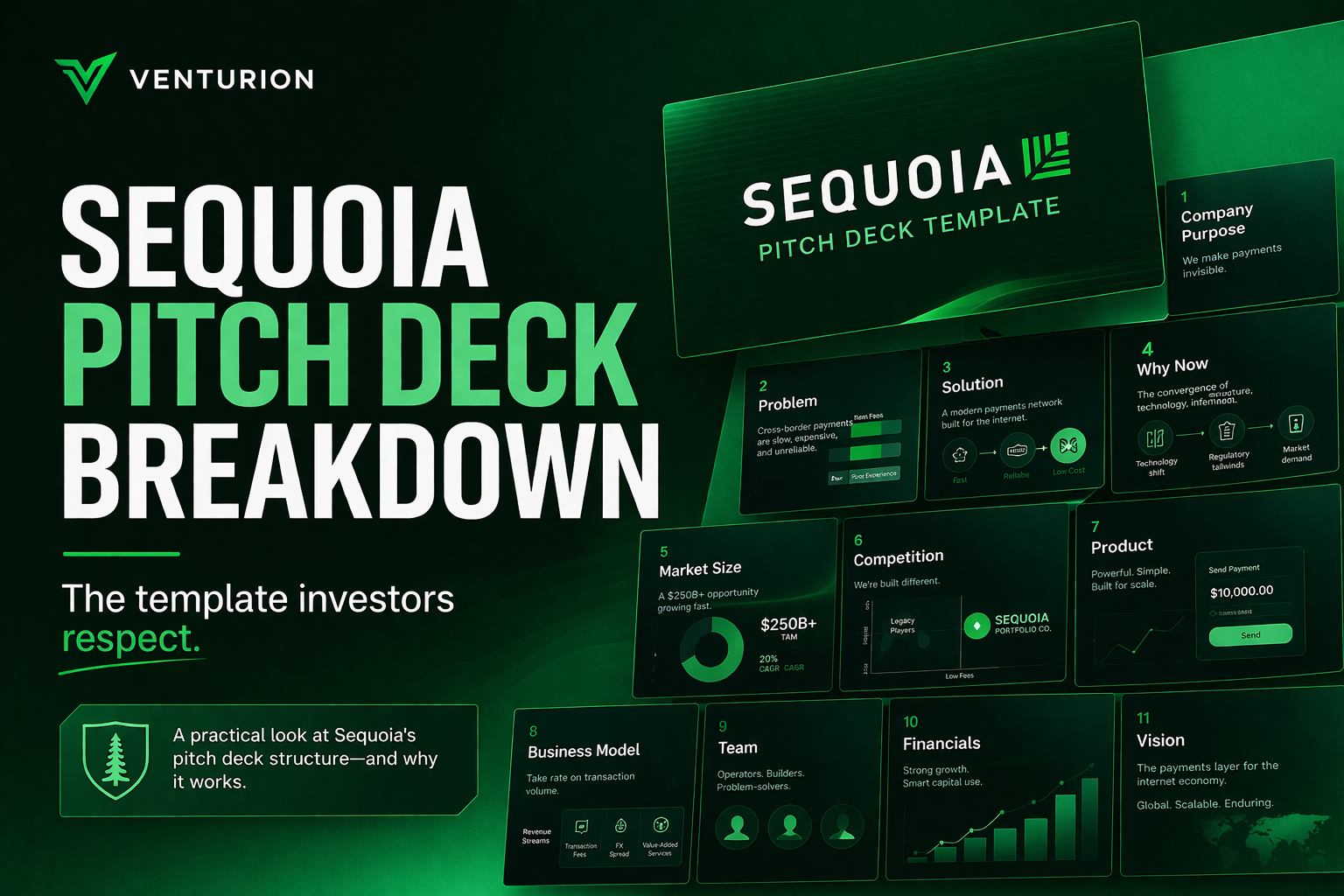
Investor Pitch Deck Examples (With Analysis)

Featured

Investor Pitch Deck Examples (With Analysis)

Investor Pitch Deck Examples (With Analysis)

Read

Investor Pitch Deck Examples (With Analysis)
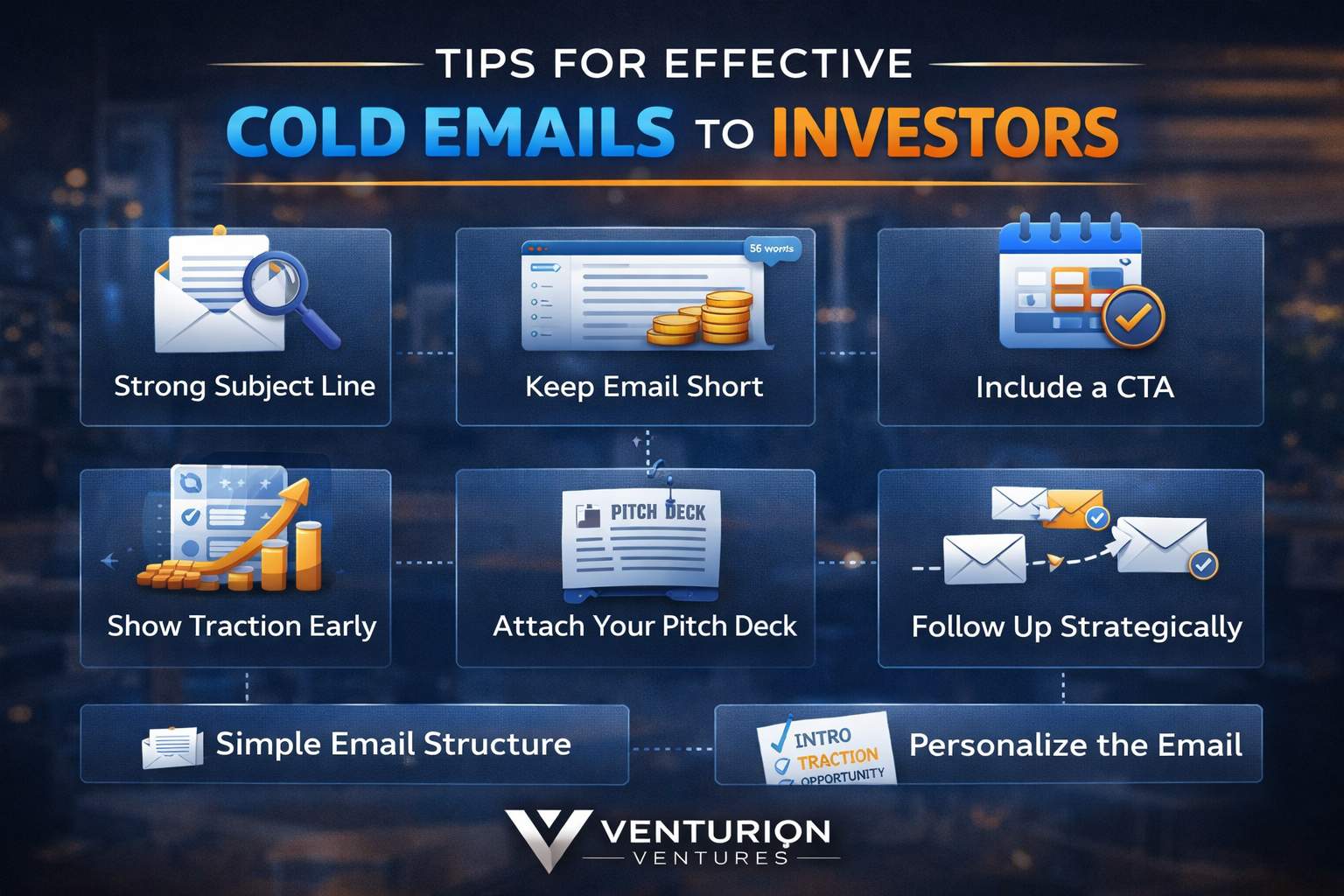
Cold Emailing Investors: What Actually Works?

Featured

Cold Emailing Investors: What Actually Works?

Cold emailing investors can work, but only when done correctly. Here’s how founders can stand out and get responses.

Read

Cold Emailing Investors: What Actually Works?
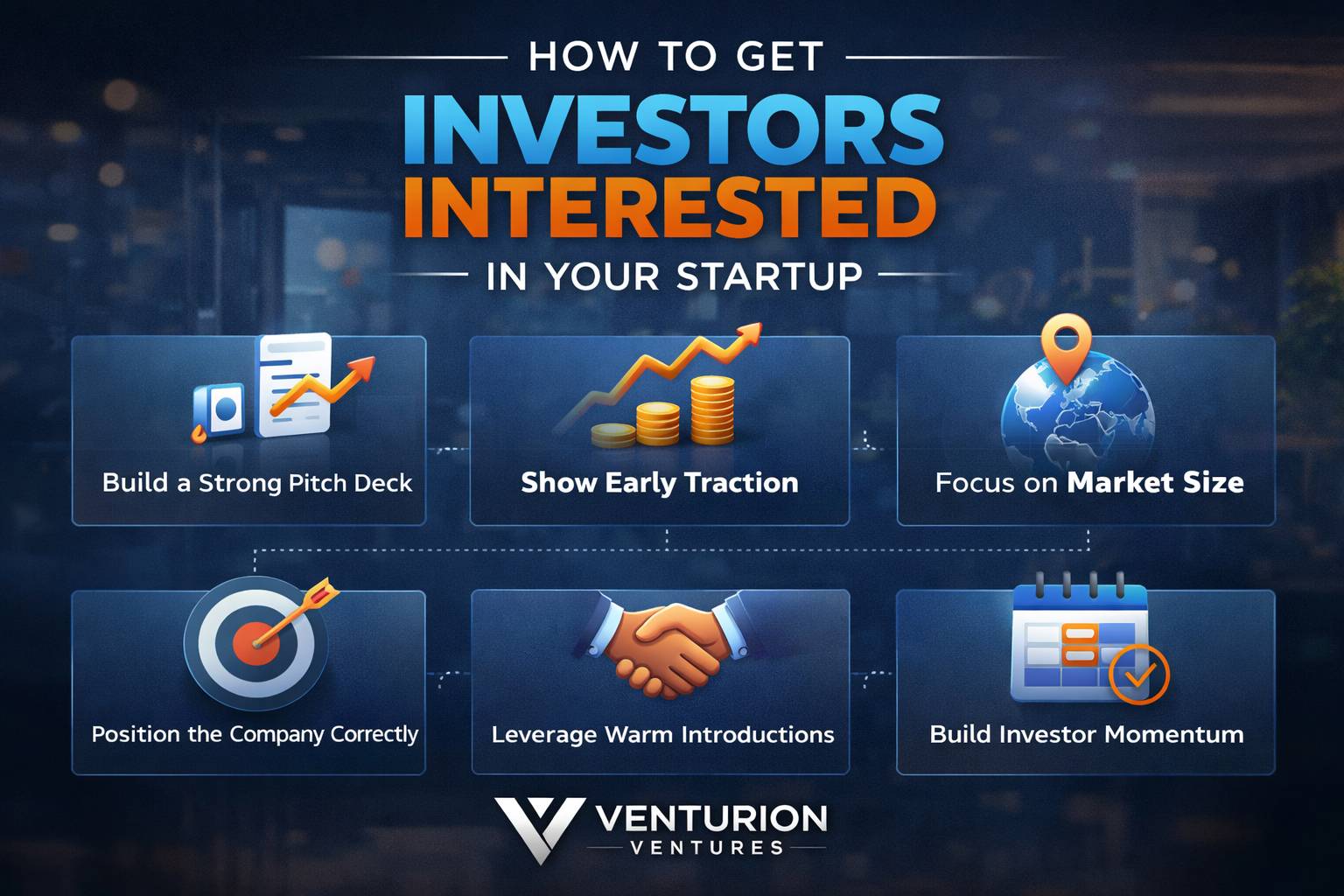
How to Get Investors Interested in Your Startup

Featured

How to Get Investors Interested in Your Startup

Venturion Ventures is a startup fundraising firm and pitch deck agency providing investor-ready presentations, pitch deck services, and strategic consulting to help founders raise capital and secure investor meetings. We partner with startups from pre-seed through Series A to deliver high-performance pitch decks, investor presentations, and fundraising strategy aligned with venture capital expectations. Explore how Venturion supports pitch deck development, investor positioning, and startup fundraising execution.

Read

How to Get Investors Interested in Your Startup
Pitch Deck Services: What to Look For

Featured

Pitch Deck Services: What to Look For

Not all pitch deck services are the same. Here’s how founders can evaluate providers and choose the right partner for fundraising.

Read

Pitch Deck Services: What to Look For
How Much Does a Pitch Deck Cost?

Featured

How Much Does a Pitch Deck Cost?

The cost of a pitch deck can vary widely depending on whether you build it yourself or work with professionals. Here’s what founders should expect.

Read

How Much Does a Pitch Deck Cost?

Startup Finances: Essential Financial Management and Planning Strategies